Dhansak
Lorem Ipsum is simply dummy text of the printing and typesetting industry. Lorem Ipsum has been the industry's standard dummy text ever since the 1500s, when an unknown printer took a galley of type and scrambled it to make a type specimen book. It has survived not only five centuries, but also the leap into electronic typesetting, remaining essentially unchanged. It was popularised in the 1960s with the release of Letraset sheets containing Lorem Ipsum passages, and more recently with desktop publishing software like Aldus PageMaker including versions of Lorem Ipsum. It is a long established fact that a reader will be distracted by the readable content of a page when looking at its layout. The point of using Lorem Ipsum is that it has a more-or-less normal distribution of letters
Ingredients
Preparation
-
Preparation Dal
Rice:
1. Brown the sugar with little water.
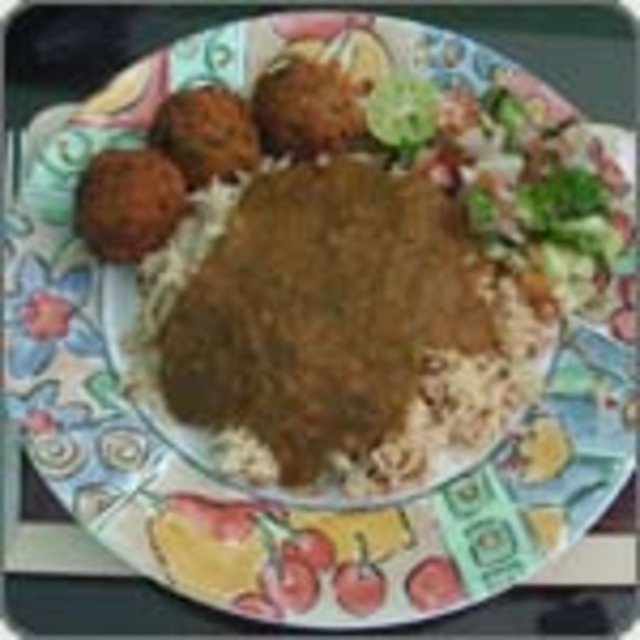
2. Add this to the water in which the rice is being cooked so that the rice is not pure white.Serve with Spicy Soya Kababs, kachumber (chopped raw onions, cucumber, tomatoes, green chillies mixed with little lime juice) and papad.
-
Rice
-
Serve with Spicy Soya Kababs, kachumber (chopped raw onions, cucumber, tomatoes, green chillies mixed with little lime juice) and papad.